S&P 500 Perpetuals: Trade SPX Long or Short with Up to 50x Leverage

Trade S&P 500 perpetuals to go long or short on the world's most followed equity index. SP500 perps track the S&P 500 price 24/7 with up to 50x leverage, using USDC as collateral. The S&P 500 captures roughly 80% of total US equity market capitalization across 500 of the largest companies - making it the single best proxy for "the market." Funding rates keep the perp tethered to the index price, and positions stay open as long as your collateral clears the liquidation threshold. Fed rate decisions, CPI prints, and earnings season are your primary catalysts.

What Are S&P 500 Perpetuals?
S&P 500 perpetuals are perpetual futures contracts that track the S&P 500 index without an expiration date. They are made possible by Hyperliquid's HIP-3 governance proposal, which brings major indices and equities on-chain as synthetic markets.
The SP500 HIP-3 index tracks the S&P 500 in real time and keeps trading when the US market is closed, so you can react to overnight macro news instead of waiting for the opening bell. Like all perpetuals it has no expiration date, which removes the quarterly roll that traditional index futures require. Up to 50x leverage is available in both directions, the highest of any stock market perp covered in these guides, and because everything settles on-chain your margin stays in your own wallet.
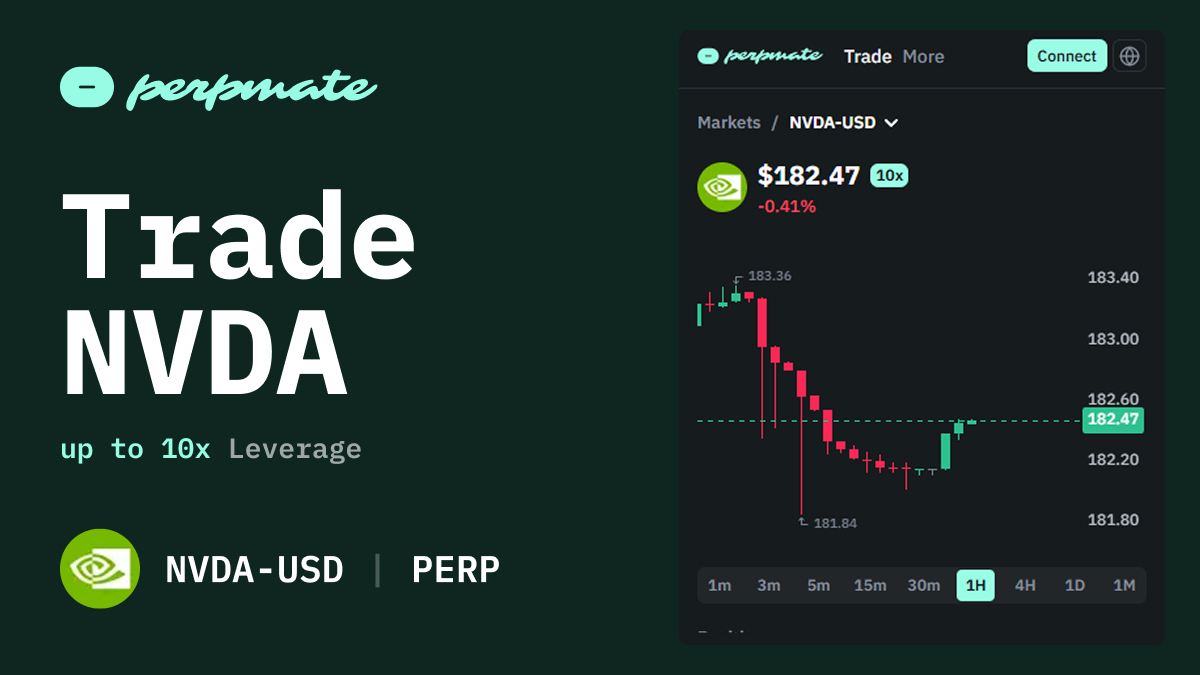
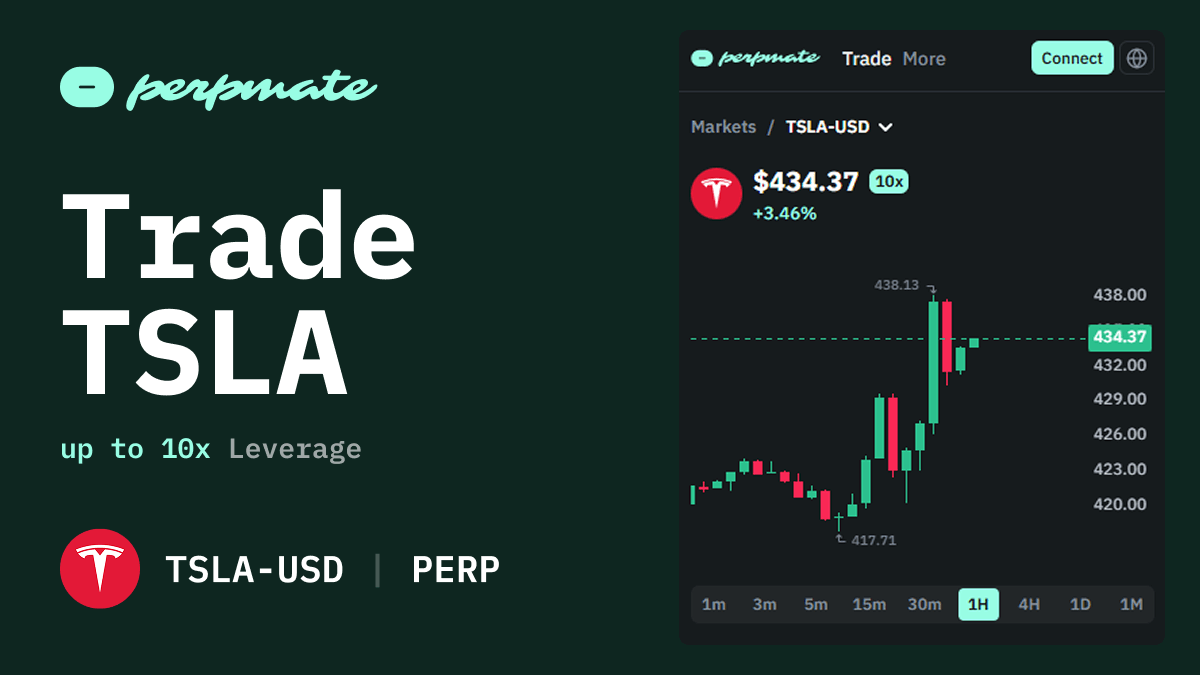
The S&P 500 is the first major equity index available as a perpetual on-chain. Unlike trading individual stocks like NVDA or TSLA, SP500 perps give you exposure to the entire US large-cap market in a single position.
Trade S&P 500 Perpetuals on Perp DEX · Watch on YouTube
How SP500 Perps Work
SP500 perps function like any perpetual futures contract, with mechanics tailored for index exposure:
- No expiry date - positions remain open as long as margin requirements are met
- Funding rate - periodic payments between longs and shorts keep the perp price aligned with the S&P 500 index value. When the perp trades above spot, longs pay shorts; when below, shorts pay longs
- Leverage - up to 50x, amplifying both gains and losses on index moves
- Liquidation - if your margin falls below the maintenance threshold, your position is automatically closed
Market hours gap risk: The S&P 500 only trades during US equity hours (9:30 AM to 4:00 PM ET), but the perp trades 24/7. This means the contract can move on overnight news and may gap when the stock market opens and the index reprices. This creates both risk and opportunity - you can position before the open, but opening prints can be volatile.
What Moves the S&P 500
The S&P 500 is driven by macroeconomic forces, not individual company news. This is what makes trading SP500 fundamentally different from trading single stocks:

Federal Reserve Policy
The Fed's interest rate decisions are the single biggest catalyst. Rate cuts are bullish - cheaper borrowing, higher valuations, more liquidity. Rate hikes are bearish - tighter money, lower multiples, less risk appetite. The market doesn't just react to the decision itself. It reacts to the statement language, the "dot plot" projections, and Powell's tone in the press conference.
Inflation Data
CPI (Consumer Price Index) and PCE (Personal Consumption Expenditures) prints move the index because they influence what the Fed does next. Hot inflation means a hawkish Fed, which is bearish for equities. Cooling inflation means a dovish Fed, which is bullish. Traders watch "core" CPI (excluding food and energy) more than the headline number.
Employment Reports
Non-farm payrolls (first Friday of each month) and unemployment data signal economic health. Strong jobs data can be paradoxically bearish if it gives the Fed reason to keep rates higher for longer. Weak jobs data can be bullish if it signals rate cuts are coming.
Earnings Season
Unlike individual stocks, the S&P 500 reacts to aggregate earnings trends. The big tech mega-caps - Apple, Microsoft, NVIDIA, Amazon, Google, Meta, Tesla - move the index disproportionately because of their market-cap weighting. When these seven companies report in the same week, the index can swing 3-5%.
Geopolitical Events
Trade wars, military conflicts, sanctions, and political instability can trigger sharp risk-off moves. The index tends to sell off on uncertainty and rally on resolution.
Trading SP500 Around Fed Decisions
FOMC meetings are the highest-impact events for S&P 500 traders. Here's how to approach them:
FOMC calendar:
- 8 scheduled meetings per year (roughly every 6 weeks)
- Decision released at 2:00 PM ET
- Press conference at 2:30 PM ET
- Check federalreserve.gov for exact dates
Pre-FOMC positioning:
- Volatility typically compresses 1-2 days before the meeting
- The S&P 500 can swing 1-3% in the hours after the decision
- Consider reducing leverage or position size before the announcement
Trading approaches:
- Directional bet: Long if expecting dovish surprise, short if hawkish (high risk)
- Wait for the press conference: The initial move on the rate decision often reverses during the Q&A
- Post-FOMC trade: Let the dust settle, trade the trend that emerges over the next 2-3 days
- Reduce exposure: Close positions before the event (safest)
What to watch in the statement:
- Rate decision: Expected or surprise?
- Statement language: "Patient" and "data-dependent" vs "further tightening"
- Dot plot: Where do Fed members see rates in 6-12 months?
- Powell's tone: Hawkish or dovish relative to expectations?
The launch of SP500 perpetuals on-chain generated significant buzz across crypto Twitter. S&P Dow Jones Indices officially licensed the S&P 500 to Trade[XYZ] for Hyperliquid perpetual futures contracts - making it the first time in the index's 69-year history that the benchmark trades 24/7 with no market closures.

Earnings Season and the S&P 500
Earnings season hits the S&P 500 differently than individual stocks. When NVDA reports, only NVDA moves. When earnings season rolls through, the entire index shifts based on aggregate trends.
When earnings matter most for the index:
- Big tech week: Apple, Microsoft, Amazon, Google, Meta typically report in the same week. These companies represent roughly 25% of the S&P 500 by weight. If they beat collectively, the index rallies. If they miss, it drags the whole market.
- Bank earnings: JPMorgan, Goldman Sachs, and other major banks kick off earnings season. Their commentary on lending, consumer spending, and economic outlook sets the tone for the quarter.
- Guidance trends: Individual beats and misses don't move the index much. But when a pattern emerges - companies broadly raising or lowering guidance - the market reprices.
How to trade the index during earnings:
- Track the earnings beat rate. If 75%+ of S&P 500 companies beat estimates, the index tends to grind higher
- Big tech earnings week is the single most important week each quarter
- Forward guidance matters more than backward-looking results
SP500 vs Individual Stock Perps
When should you trade the S&P 500 index versus individual stocks like NVDA, TSLA, or GOOGL?

| SP500 Index | Individual Stocks (NVDA, TSLA) | |
|---|---|---|
| Daily volatility | 0.5-2% typical | 2-8% typical |
| Gap risk | Lower (diversified) | Higher (single-company news) |
| Max leverage | 50x | 10-20x |
| Main catalysts | Fed, macro data, earnings season | Earnings, product launches, CEO tweets |
| Best for | Macro trading, portfolio hedging | Conviction plays on specific companies |
| Overnight risk | Moderate (global macro) | High (company-specific after-hours news) |
Trade SP500 when:
- You have a macro thesis (bullish or bearish on the economy)
- You want broad market exposure without picking individual winners
- You want to hedge an existing crypto or stock portfolio
- You prefer lower volatility with higher leverage
Trade individual stocks when:
- You have a conviction thesis on a specific company
- A single stock has a clear catalyst (earnings, product launch)
- You want higher volatility per unit of leverage
24/7 Trading: React Before the Market Opens
Trading S&P 500 perpetuals gives you a key edge over traditional equity investors:
React to overnight news:
- Asia and Europe session moves signal where the S&P will open
- FOMC minutes or emergency statements can come outside market hours
- Weekend geopolitical events - position before Monday's open
Key data releases to trade (before market hours):
- CPI/PPI: Released 8:30 AM ET, before market open. The perp lets you trade the reaction instantly
- Non-farm payrolls: 8:30 AM ET, first Friday of each month
- GDP: Early morning release, moves SPX before the bell
Weekend positioning:
- Geopolitical escalations often develop over weekends
- Monday gaps are common in the S&P 500
- With perpetuals, you can position or hedge over the weekend when traditional markets are closed
Example: Trading an FOMC Rate Decision
The Fed announces a 25 basis point rate cut, and the dot plot signals two more cuts coming. The S&P 500 rallies on the dovish surprise. You go long on SP500 perps to capture the move.
You open a long position at 5,800 with 200 USDC collateral at 5x leverage, creating $1,000 of index exposure. Your liquidation price is approximately 5,568 - about 4% below entry.
If the dovish surprise drives continued buying and SP500 climbs 2% to 5,916, the 5x leverage amplifies your return to 10% - a $20 gain on 200 USDC collateral. But if the market reverses on hawkish press conference commentary and the index drops 2% to 5,684, you face a 10% loss, with $20 of collateral gone.
The S&P 500 typically moves 1-3% on FOMC days. Use moderate leverage and set a stop-loss before the announcement. See position sizing guide.
Summary
S&P 500 perpetuals give you leveraged exposure to the world's most important equity benchmark, 24/7 and on-chain. The key catalysts are Fed rate decisions, inflation data, employment reports, and aggregate earnings season trends. Unlike individual stock perps, the S&P 500 offers diversified exposure with lower single-day volatility, which supports up to 50x leverage. Use 5-10x for swing trades and reduce to 3-5x when holding through FOMC meetings or major data releases. Trade the macro, not the noise.
Key dates to watch:
- FOMC meetings (8 per year, check federalreserve.gov)
- CPI release (monthly, around the 12th-14th)
- Non-farm payrolls (first Friday of each month)
- Big tech earnings week (late January, late April, late July, late October)
Where to Trade S&P 500 Perpetuals

How to start trading SP500 in 3 simple steps
Trade NowDisclaimer: Trading perpetual contracts involves significant risk, including the potential for sudden and total loss of your investment and collateral due to high leverage and market volatility, and may not be suitable for all users. Prices may be influenced by funding rates and liquidity and you may be subjected to automatic liquidations without notice. Always do your own research (DYOR) before making any trading decisions.