Top 10 Best Perpetual DEX Platforms to Know in 2026


Decentralized futures trading has hit a new level of maturity, and picking the right platform makes a real difference. Perpetual DEX platforms are decentralized exchanges that let you trade perpetual futures directly from a crypto wallet, with no account creation, no KYC, and full custody of your funds. In 2026, the top perp DEXs offer deep liquidity, fast execution, and competitive fees (as low as 0.015% maker / 0.045% taker). Traders can go long or short on crypto, stocks, commodities, and forex with up to 50x leverage. The leading platforms include Hyperliquid, dYdX, GMX, Jupiter, and Perpmate, each with different strengths depending on your trading style and experience level. This guide ranks the 10 best perpetual DEX platforms and helps you pick the right one. For a detailed head-to-head, read our Perpmate vs Hyperliquid vs Aster comparison. You can also learn about Hyperliquid's architecture and how it works.
New to perpetual trading? Start with our Complete Guide to Perps to understand the fundamentals.
What Is a Perpetual DEX?
A perpetual DEX is a decentralized exchange that enables users to trade perpetuals (perps), derivative contracts with no expiration date.
Perpetual trading allows traders to:
- Buy and trade crypto using leverage
- Go long or short on price movements
- Hold positions indefinitely through funding mechanisms
Understanding leverage is key. Read our What Is Leverage Trading guide to learn how to use it responsibly.
Unlike centralized platforms, decentralized perpetual exchanges keep funds on-chain and self-custodial at all times.
The Perp DEX Landscape in Mid-2026
The market has consolidated around a few clear leaders. Hyperliquid now handles roughly 70% of all on-chain perpetual volume, with monthly volumes in the hundreds of billions of dollars. dYdX v4 remains the strongest alternative for traders who prioritize decentralized governance, while Solana platforms like Drift and Jupiter dominate their own ecosystem.
Two trends stand out this year. First, on-chain perps keep taking volume from centralized exchanges as traders move toward self-custody. Read more in our perp DEX vs CEX comparison. Second, markets have expanded beyond crypto: platforms like Perpmate now offer stock, commodity, and forex perpetuals alongside crypto pairs, all tradable 24/7.
Top 10 Perp DEXes at a Glance
| # | Platform | Trading Model | Chain | Best For |
|---|---|---|---|---|
| 1 | Perpmate | Order book (Hyperliquid liquidity) | Arbitrum | Mobile traders and beginners |
| 2 | Hyperliquid | Fully on-chain order book | Own L1 | Professional, high-volume traders |
| 3 | dYdX v4 | On-chain order book | Own Cosmos chain | Decentralization-focused traders |
| 4 | Drift | Hybrid liquidity | Solana | Active Solana traders |
| 5 | GMX | Liquidity pools | Arbitrum | Swing and lower-frequency traders |
| 6 | Lighter | On-chain order book | Ethereum L2 | Simple, transparent on-chain perps |
| 7 | Aster | Order book | BNB Chain | High-leverage strategies |
| 8 | Level Finance | Risk-segmented pools | BNB Chain | Alternative liquidity structures |
| 9 | GRVT | Hybrid custody and execution | Ethereum L2 | CEX-like speed with self-custody |
| 10 | Jupiter | Liquidity pools | Solana | Quick perps within the Solana ecosystem |
Each platform is covered in detail below, with advantages, disadvantages, and who it suits best.
1. Perpmate

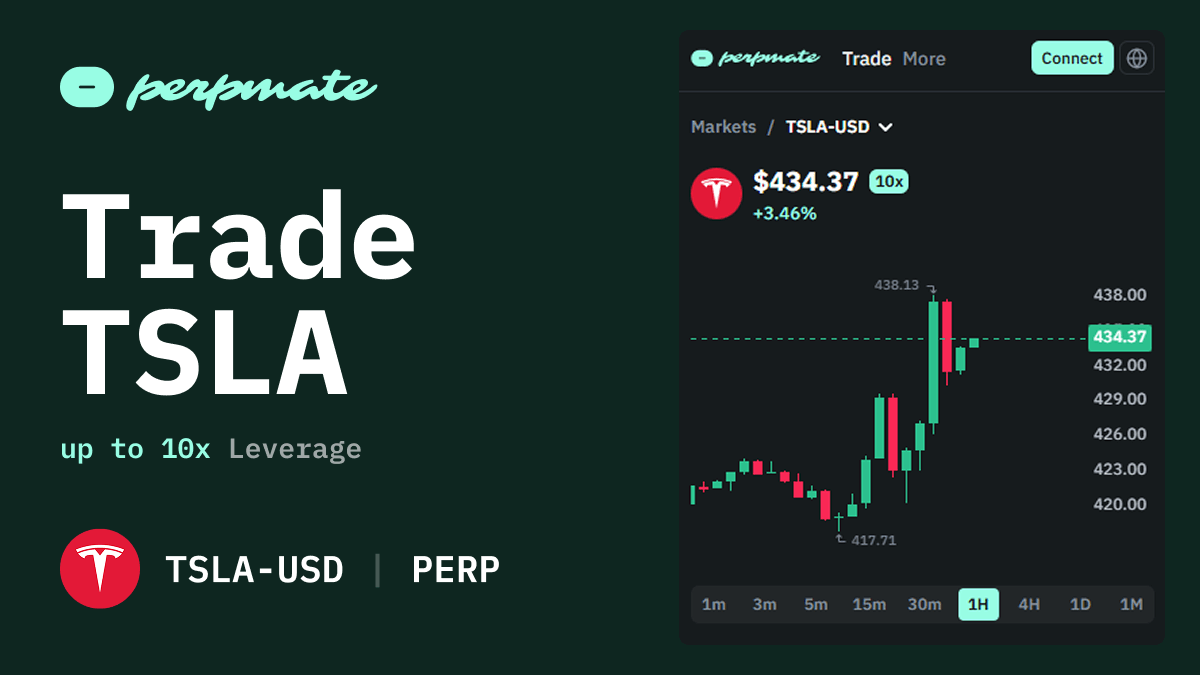
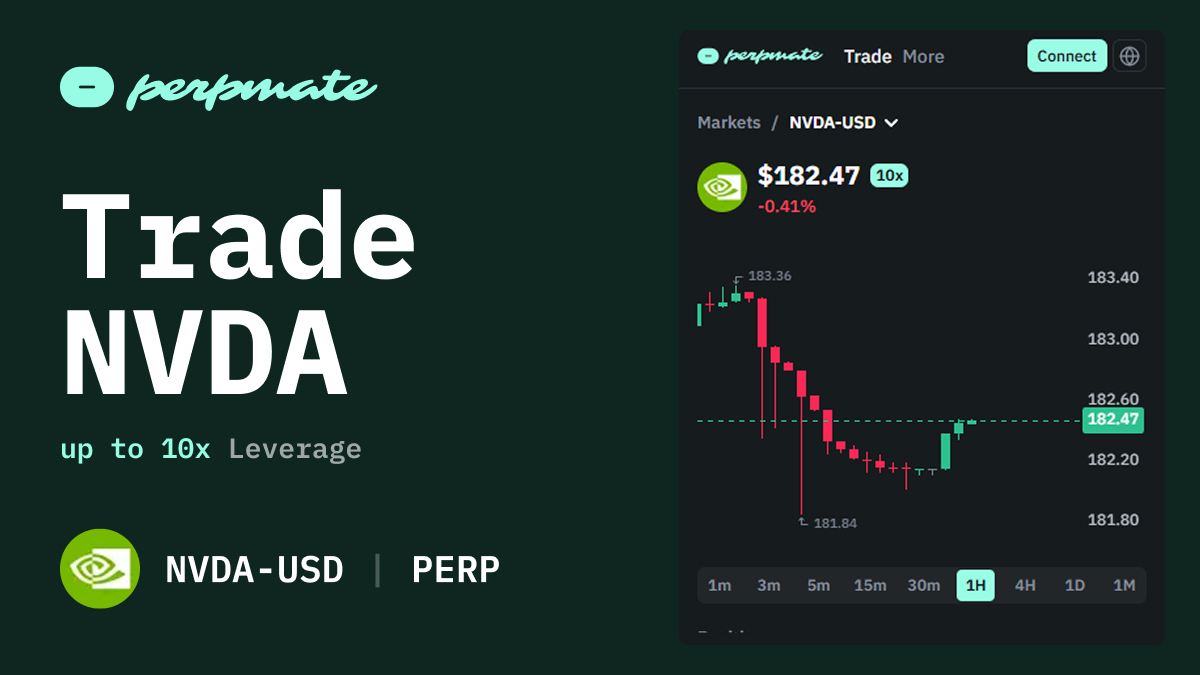
Perpmate is a mobile-first perpetual trading platform designed to make decentralized perps accessible without compromising liquidity or security.
Perpmate combines deep liquidity on Arbitrum, private by default — no accounts, no personal data, and a strong mobile trading UX. For an outside perspective, you can also read this independent Perpmate review on CryptoAdventure.
Advantages
- Deep liquidity via Arbitrum infrastructure
- Wallet-only access — no personal data collected
- Mobile-optimized trading experience for iOS and Android
- Clear, beginner-friendly long and short flows
- USDC-only collateral for simple margin management
Disadvantages
- Fewer advanced trading analysis tools compared to Hyperliquid
- Newer platform with a smaller community
- Limited advanced order types
Best for: Mobile traders, beginners who want a clean interface, and traders who prefer not to share personal data.
2. Hyperliquid

Hyperliquid is widely regarded as the benchmark for on-chain perpetual trading.
It operates a fully on-chain order book with extremely low latency and some of the deepest liquidity available in decentralized perps.
Advantages
- Market-leading on-chain liquidity
- Fully on-chain order-book architecture
- Tight spreads and fast execution
- Proven risk and liquidation engine
Disadvantages
- Desktop-oriented interface
- Steeper learning curve for beginners
Best for: Professional traders and high-volume perp strategies
3. dYdX (v4)

dYdX v4 runs on its own Cosmos-based chain, prioritizing decentralization, governance, and advanced trading functionality.
Advantages
- Mature perpetual DEX infrastructure
- Strong decentralization and governance
- Advanced order and margin controls
Disadvantages
- Complex interface
- Less optimized for mobile trading
- Slower onboarding for new users
Best for: Experienced traders seeking decentralized control
4. Drift

Drift is a technically advanced Solana-based perpetual exchange using a hybrid liquidity model.
Advantages
- Very fast execution
- Low fees
- Strong Solana-native tooling
Disadvantages
- Interface complexity
- Less intuitive for beginners
- Secondary focus on mobile UX
Best for: Active Solana traders and advanced strategies
5. GMX

GMX powers perpetual trading through liquidity pools rather than order books.
Advantages
- Simple long and short execution
- Predictable fee structure
- Easy to understand trading model
Disadvantages
- Slippage depends on pool utilization
- Not optimal for active or high-frequency trading
Best for: Swing traders and lower-frequency perp trading
6. Lighter

Lighter is a newer perpetual DEX emphasizing transparency and clean UX.
Advantages
- Fully on-chain order book
- Modern, minimal interface
- Transparent execution logic
Disadvantages
- Smaller liquidity compared to market leaders
- Early-stage ecosystem
Best for: Traders seeking simple, on-chain perps
7. Aster

Aster focuses on high-leverage perpetual trading.
Advantages
- High leverage availability
- Fast order-book execution
Disadvantages
- Higher liquidation risk
- Not suitable for beginners
Best for: Advanced traders using aggressive long or short strategies
8. Level Finance

Level Finance introduces a risk-segmented liquidity model.
Advantages
- Innovative liquidity pool design
- Clear separation of risk exposure
Disadvantages
- Lower trading volume
- Less intuitive interface
Best for: Traders exploring alternative perp liquidity structures
9. GRVT

GRVT blends decentralized custody with high-performance execution.
Advantages
- Hybrid architecture
- Strong focus on execution speed
Disadvantages
- Less transparent than pure on-chain models
- Liquidity still developing
Best for: Traders seeking CEX-like execution with self-custody
10. Jupiter

Jupiter has expanded from a leading Solana aggregator into a significant perpetual DEX on Solana.
Advantages
- Fast execution via Solana infrastructure
- Simple long and short trading flows
- Strong liquidity routing and ecosystem integration
Disadvantages
- Limited to Solana-native assets
- Fewer advanced risk management tools
Best for: Traders looking to trade perps quickly on Solana
Best Perp DEXes for Beginners
Not every perp DEX is built for newcomers. If you're choosing your first platform, check these five factors:
1. Simple Long and Short Actions
Your first platform should make it obvious how to go long (profit when price rises) or short (profit when price falls). If you can't figure out how to open a trade within 30 seconds, the interface is too complex for a beginner.
2. Clear Liquidation and Risk Visibility
You need to see your liquidation price at all times. Platforms that hide this information or bury it in advanced menus are dangerous for beginners who may not realize how close they are to losing their margin.
3. Conservative Default Leverage
A beginner-friendly DEX should default to low leverage (2-5x), not 20x or 40x. High default leverage is the number one reason new traders blow accounts in their first week. If a platform encourages high leverage from the start, it's optimized for volume, not your survival.
4. Strong Liquidity
Low liquidity means high slippage — you'll get worse prices on entries and exits. Beginners should trade on platforms with deep liquidity pools where orders execute close to the displayed price.
5. Mobile and Desktop Support
Many beginners prefer trading on mobile. A good beginner platform works well on both phone and desktop without losing functionality.
Based on these criteria, Perpmate, Hyperliquid, and GMX are the top three picks for first-time traders — see their full profiles above.
Your First Week: From Setup to First Trade
Here's a step-by-step plan for your first week trading perps:
Day 1-2: Setup
- Connect your wallet to your chosen platform
- Deposit a small amount of USDC ($20-50 to start)
- Explore the interface without placing any trades
Day 3-4: First Trade
- Choose one market — BTC or ETH are recommended for beginners due to high liquidity
- Set leverage to 2-3x maximum
- Open a small position and immediately set a stop-loss
- Watch how your position moves with the market
Day 5-7: Review and Learn
- Close your first trade regardless of outcome
- Review what happened: Did you follow your plan? Did the stop-loss trigger?
- Read our risk management rules
- Decide if you want to continue with the same platform or try another
How to Choose the Best (PERP) Perpetual DEX in 2026
Before you trade perps, you need to know:
- Liquidity depth, slippage, and funding rates
- Execution speed during volatility
- Clarity of long and short mechanics
- Transparency of liquidation and risk engines
- Data privacy and tracking practices
- Mobile versus desktop experience
For mobile-first traders, Perpmate is worth considering for its clean interface and deep liquidity on Arbitrum. For advanced desktop trading, Hyperliquid and dYdX offer more tooling. For Solana-native traders, Drift and Jupiter are strong choices. The right platform depends on your priorities — there is no single "best" for everyone.
Final Thoughts
In 2026, decentralized perpetual exchanges rival centralized platforms in performance while preserving self-custody.
Platforms like Hyperliquid and dYdX lead in depth and tooling. Perpmate focuses on data privacy, usability, and mobile-first design. GMX and Jupiter offer simpler models for less active traders.
Choose based on what matters most to you: advanced features, mobile experience, specific chain preference, or trading volume. Each platform on this list has earned its place for different reasons.
Disclaimer: Trading perpetual contracts involves significant risk, including the potential for sudden and total loss of your investment and collateral due to high leverage and market volatility, and may not be suitable for all users. Prices may be influenced by funding rates and liquidity and you may be subjected to automatic liquidations without notice. Always do your own research (DYOR) before making any trading decisions.