Micron (MU) Perpetuals: Trade MU Stock 24/7 with Up to 10x Leverage, No KYC

Micron Technology is the largest US-based memory semiconductor company, producing DRAM, NAND flash, and the High Bandwidth Memory (HBM) chips that power every major AI accelerator. Memory pricing cycles create some of the most dramatic swings in the semiconductor sector. MU can rally 50%+ during upcycles and drop 40%+ during downturns, making it one of the highest-beta stock perps available. Whether you want to buy Micron stock exposure or sell MU short, perpetual futures on a perp dex let you do both with up to 10x leverage on the HIP-3 index, which tracks Micron stock around the clock using USDC collateral on Arbitrum. Funding rates keep the contract tethered to MU's spot price, and your position stays active as long as collateral clears the liquidation threshold.

MU Perpetuals and the HIP-3 Index
MU perpetuals are perpetual futures contracts that track Micron's stock price without an expiration date. They are made possible by Hyperliquid's HIP-3 governance proposal, which brings major equities on-chain as synthetic index markets.
The MU HIP-3 index tracks Micron's live share price and keeps quoting around the clock, which matters for a stock that gaps hard on after-hours earnings and overnight memory-pricing news. The contract has no expiration date, so you can ride a full DRAM pricing cycle without rolling positions. Up to 10x leverage works in either direction: long MU when HBM demand accelerates, short it when the memory cycle turns. Your collateral stays in your own wallet the entire time, with no brokerage account in the middle.
Micron perpetual futures are available on any major perp dex (Hyperliquid, Perpmate) as well as centralized exchanges. On-chain perp dex platforms require no KYC and offer self-custody, while CEXs require full identity verification but offer higher liquidity. For a detailed comparison of leverage limits, funding rates, fees, and platform features, see our Platform Comparison Guide.
Trade Micron Technology (MU) Perpetuals on Perp DEX · Watch on YouTube
MU vs Other Semiconductor Perps
How does Micron compare to other semiconductor stock perpetual futures?
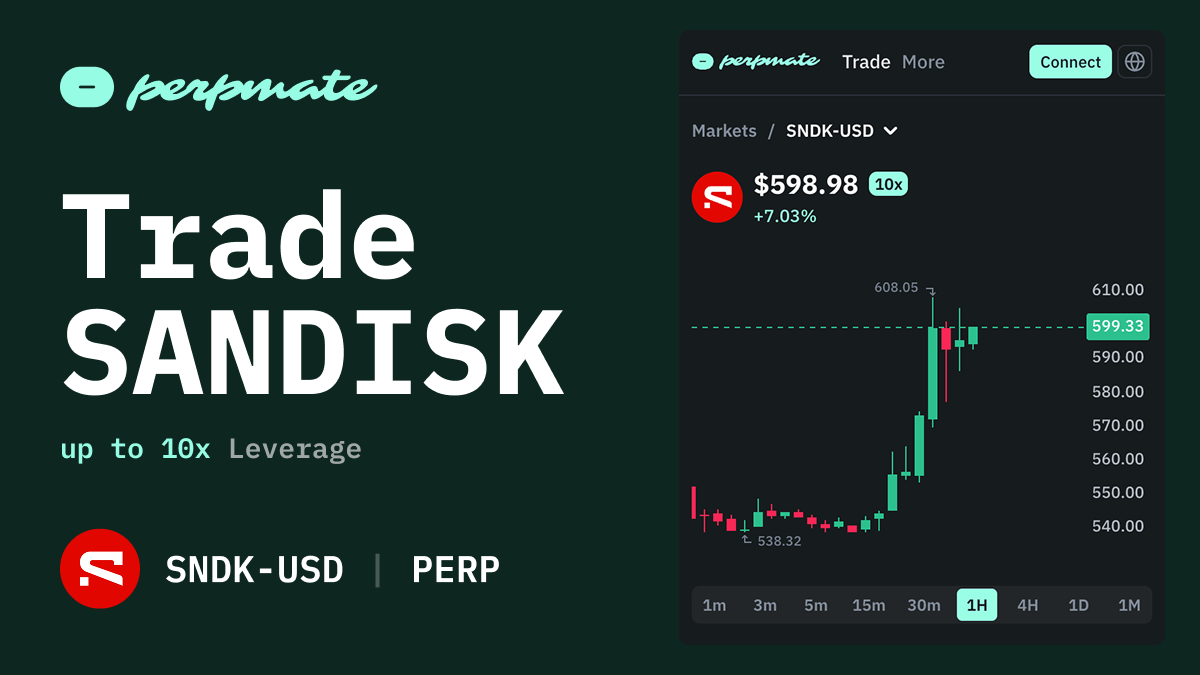
| MU (Micron) | NVDA (NVIDIA) | SNDK (SanDisk) | TSM (TSMC) | |
|---|---|---|---|---|
| Max leverage | 10x | 20x | 10x | 10x |
| Typical earnings move | 5-12% | 5-15% | 4-8% | 3-7% |
| Primary catalyst | DRAM/HBM pricing cycles | AI GPU demand | NAND flash pricing | Foundry utilization rates |
| Volatility profile | Very high (cyclical) | High (AI-driven) | High (NAND cycles) | Moderate (diversified) |
| AI exposure | HBM for AI accelerators | GPU compute | AI storage | Manufactures all AI chips |
| Best for | Memory cycle trading | Pure AI hardware conviction | Storage demand thesis | Broad semiconductor exposure |
Micron is the most cyclical of these names. If you want to sell short during memory downcycles, MU drops harder than diversified semiconductor plays like TSMC. If you want to buy into AI memory demand, MU offers the most direct HBM exposure.
Micron Earnings Playbook
MU earnings are among the most volatile events in semiconductors. Here's how to trade them:
Earnings Calendar
- Micron reports quarterly (September, December, March, June, offset fiscal year)
- Earnings typically released after market close
- Check investors.micron.com for exact dates
Pre-Earnings Positioning
- MU regularly moves 5-12% on earnings, sometimes 15%+
- Memory stocks can gap violently on pricing guidance
- Consider reducing leverage significantly before earnings
Trading Approaches
- Directional bet: Long if expecting strong HBM demand and rising DRAM prices (high risk)
- Post-earnings trade: Wait for the initial reaction, trade the follow-through
- Guidance play: Memory pricing outlook matters more than current quarter results
- Avoid entirely: Close positions before earnings (safest for volatile memory stocks)
Key Metrics to Watch
- HBM revenue: AI-driven high bandwidth memory demand
- DRAM pricing trends: Average selling prices up or down quarter-over-quarter
- NAND pricing trends: Flash storage pricing recovery or decline
- Data center revenue mix: Growing AI server contribution
- Gross margins: Expanding margins signal pricing power; contracting margins signal oversupply
- CapEx guidance: Investment in new fab capacity signals long-term demand confidence
Memory Cycle and AI Catalyst Tracking
MU price is driven by memory pricing cycles and AI infrastructure demand. Track these signals:
Bullish Catalysts (LONG MU)
- DRAM and NAND spot prices rising on DRAMeXchange
- HBM capacity sold out or contracts expanding
- AI data center buildout announcements from hyperscalers (Microsoft, Amazon, Google)
- NVIDIA reporting strong GPU demand (every GPU needs HBM)
- Memory industry supply cuts or fab delays from competitors (Samsung, SK Hynix)
- Smartphone and PC refresh cycles boosting consumer memory demand
Bearish Catalysts (SHORT MU)
- DRAM/NAND spot prices falling, oversupply cycle beginning
- Memory industry capacity expansion announcements
- AI spending pullbacks from hyperscalers
- Inventory buildups at PC and smartphone OEMs
- Samsung or SK Hynix ramping competing HBM supply faster than expected
- Trade restrictions affecting memory exports to China
Where to Track Memory Pricing
- DRAMeXchange/TrendForce: Weekly DRAM and NAND spot pricing
- Industry earnings calls: Samsung, SK Hynix memory division commentary
- Hyperscaler earnings: Microsoft, Amazon, Google CapEx guidance
- NVIDIA earnings: GPU demand directly correlates with HBM demand
Memory Cycle Patterns
- Memory is deeply cyclical, with upcycles lasting 6-18 months and downcycles similarly
- HBM has created a structural demand floor that may dampen traditional cycles
- DRAM pricing inflection points are the most reliable MU trading signals
MU vs NVDA: The AI Trade Pair
Micron and NVIDIA are deeply connected in the AI supply chain. Understanding their relationship improves your trading:
When They Correlate
- AI infrastructure buildout bullishness lifts both
- Data center CapEx announcements move the entire AI chain
- Semiconductor sector risk-on rotations
When They Diverge
- Memory pricing downcycles can hit MU while NVDA holds up on GPU demand
- NVDA-specific product launches (new GPU architectures) don't directly lift MU
- Memory oversupply hurts MU margins even if AI demand stays strong
Portfolio Strategy
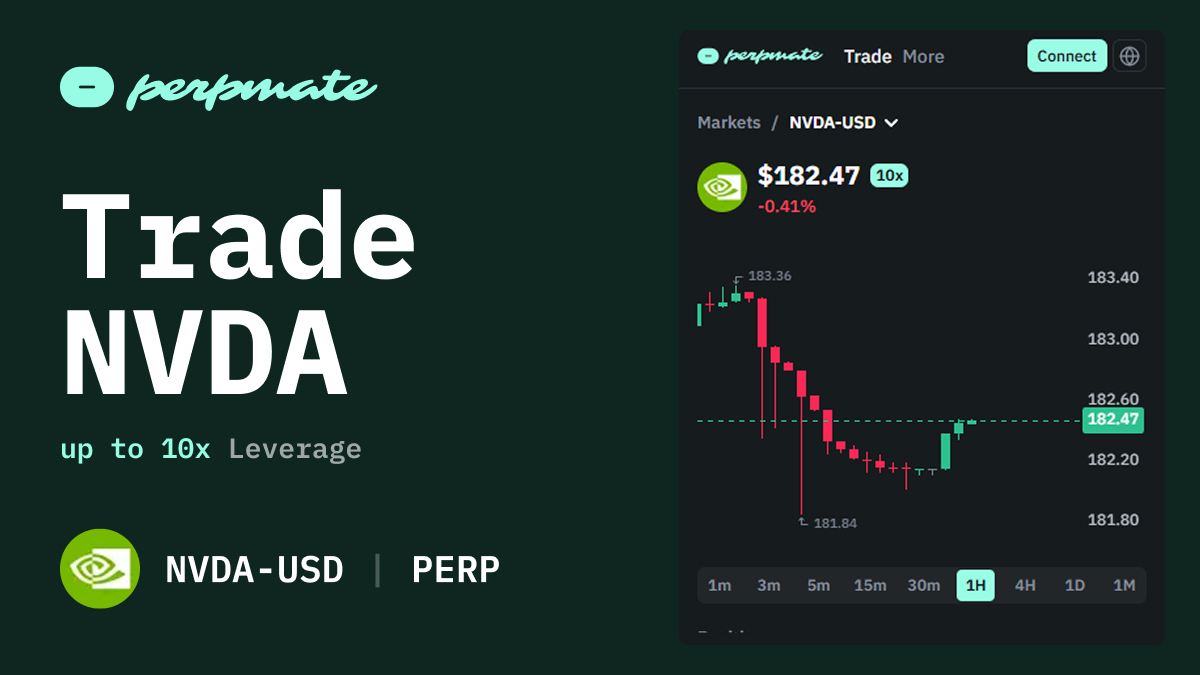
- Long both MU and NVDA for full AI infrastructure exposure
- Trade the MU/NVDA spread when memory cycles and GPU cycles diverge
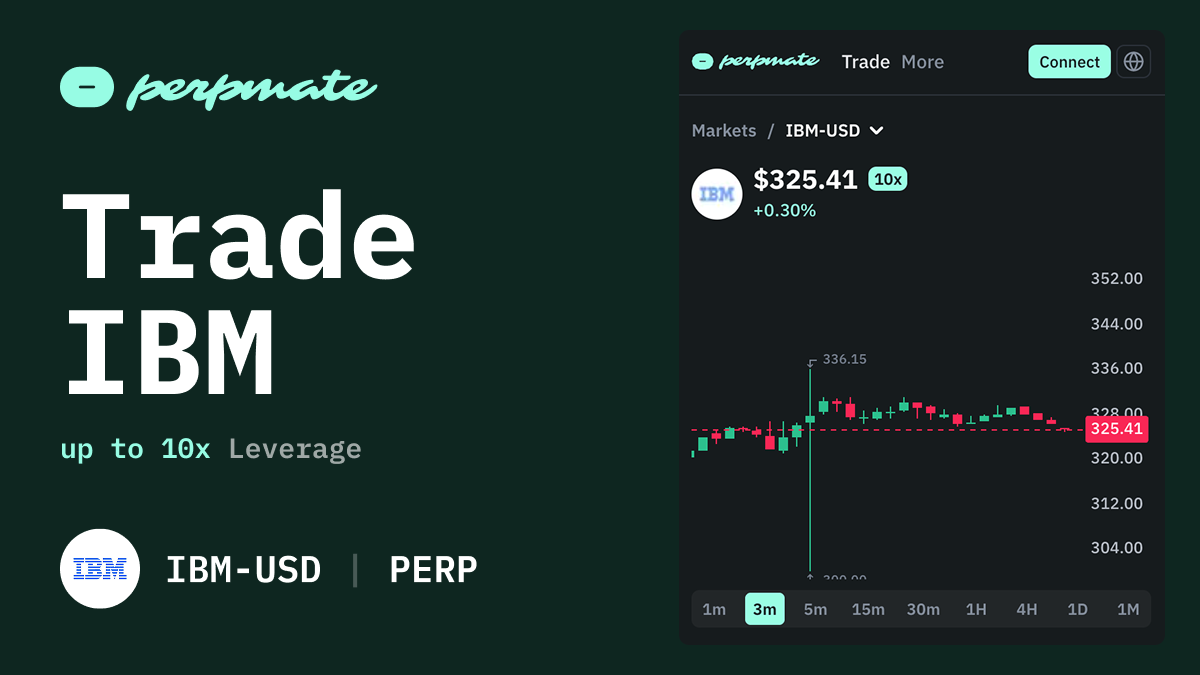
- Pair MU with IBM for enterprise + semiconductor AI diversification
Example: Trading a Memory Pricing Upcycle
DRAMeXchange reports DRAM contract prices rising 15% quarter-over-quarter, and Micron reports earnings showing HBM revenue doubling. MU jumps in after-hours trading on the guidance raise.
You go long MU at $120.00 after the initial pop, backing the trade with 100 USDC and 5x leverage. That creates $500 of Micron exposure, with your liquidation price at approximately $96.00, about 20% below entry.
If the memory upcycle drives continued buying and MU climbs 8% to $129.60, the 5x leverage amplifies your return to 40%, a $40 gain on 100 USDC collateral. But if the market sells the news despite the beat and MU drops 8% to $110.40, you face a 40% loss, with $40 of your collateral gone.
Memory stocks are highly cyclical. MU can swing 10%+ on earnings day. Set your stop-loss before the report drops. See our position sizing guide.
Summary
Micron perpetuals are the highest-beta memory semiconductor trade available on-chain. DRAM pricing cycles, HBM demand from AI accelerators, and quarterly earnings create multi-day moves that leverage amplifies. MU routinely swings 5-12% on earnings and can move 15%+ when memory pricing guidance surprises, so limit leverage to 3-5x for swing positions and drop to 2-3x if holding through a quarterly report.
For diversification strategies:
- AI chip exposure: Pair MU with NVIDIA for GPU + memory coverage of the AI infrastructure stack
- Enterprise tech: Add IBM and Microsoft for cloud and enterprise AI software exposure
- Broader market exposure: Trade the S&P 500 index perp for diversified US equity exposure with up to 50x leverage
- High-growth tech basket: Combine with Tesla and Apple for consumer tech diversification
Key dates to watch:
- Quarterly earnings (September, December, March, June, offset fiscal year)
- DRAMeXchange weekly spot pricing updates
- Samsung and SK Hynix earnings (memory competitor signals)
- NVIDIA earnings (HBM demand indicator)
Where to Trade Micron Perpetuals

How to start trading MU in 3 simple steps
Trade NowDisclaimer: Trading perpetual contracts involves significant risk, including the potential for sudden and total loss of your investment and collateral due to high leverage and market volatility, and may not be suitable for all users. Prices may be influenced by funding rates and liquidity and you may be subjected to automatic liquidations without notice. Always do your own research (DYOR) before making any trading decisions.